
Albania and Kosovo: Building Joint Production and Export Chains



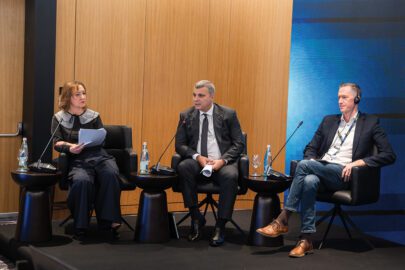
Interview with Skënder Krasniqi, Chairman of the Board of the Kosovo Chamber of Commerce and Industry (DHTIK)
Kosovo and Albania have the opportunity to establish a joint economic platform. This is particularly important given the limited size of their individual markets. The EU itself views regional integration as a way to overcome market fragmentation and make companies more competitive before entering the Single Market.
Economic cooperation between Albania and Kosovo needs to enter a new phase, moving beyond bilateral trade and individual investments towards the creation of joint production and export chains. The two countries have the potential to combine their production capacities and increase their competitiveness in European markets, particularly as EU companies increasingly seek suppliers closer to their own markets.
In an interview with Monitor, Skënder Krasniqi, Chairman of the Board of the Kosovo Chamber of Commerce and Industry (DHTIK), says that investments between the two countries have expanded into new sectors. Capital from Albania has moved beyond the financial sector, while Kosovo businesses are increasing their presence in Albania, more recently in media, technology and manufacturing.
However, the potential for cooperation remains largely untapped. Kosovo’s political crisis has discouraged investment, while many agreements signed between the two governments are often not implemented. According to Krasniqi, concrete mechanisms are needed to translate these agreements into investments, partnerships and jobs.
He believes that manufacturing, tourism and energy offer the greatest opportunities for cooperation, while Albania could also serve as a gateway for Kosovo businesses to international markets.
How do you assess the performance and current state of Kosovo’s economy? Which sectors show the greatest potential, and what are the main challenges facing businesses?
In recent years, Kosovo has faced various pressures that have had a significant impact on businesses and the economy. The prolonged political crisis and ad hoc decisions have caused considerable damage, with long-term consequences for our already fragile economy.
We believe that now, following the election of the president and the resolution of the two-year crisis, the government will be able to move forward more quickly with economic development.
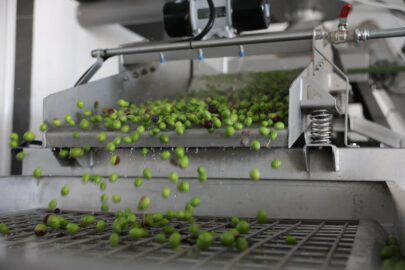
Currently, the sectors with the greatest development potential are technology and digital services, export-oriented manufacturing, energy, agriculture and agro-processing, tourism and services, construction and real estate.
What role do businesses with capital from Albania currently play in Kosovo’s economy? In which sectors are they most active, and how has their role evolved in recent years?
Every investment is welcome and holds particular importance for our economy. This importance is even greater when the investment comes from our mother country, as it strengthens mutual trust among Albanians and encourages further investment.
Initially, investments from Albania were concentrated in the financial sector, particularly banks, microfinance institutions and insurance companies. In recent years, however, we have seen investment expand into construction, real estate, manufacturing, trade and energy.
How do you currently assess the interest of businesses from Albania in investing in Kosovo and, conversely, of Kosovo businesses in investing or expanding their operations in Albania? Where do you see the strongest interest?
As I mentioned, investments from Albania are very important to us because of the many ties and common factors shared by our two countries.
Unfortunately, the political situation in recent years has weakened investment interest in general and has also encouraged our businesses to seek investment opportunities outside Kosovo. Tirana is naturally one of the first destinations, both because of the ties between the two countries and the opportunities it currently offers.
While our initial investments in Albania were mainly concentrated in tourism and shopping centres, particularly over the past two years we have seen an expansion into media, information technology and the acquisition of existing manufacturing businesses.
Which sectors offer the greatest potential for investment and cooperation between companies from Kosovo and Albania?
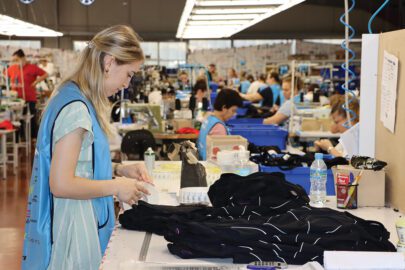
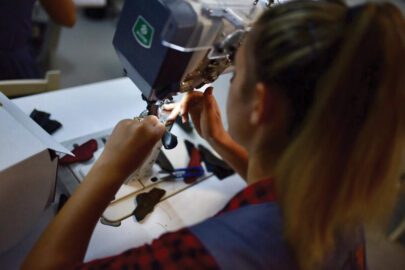
We believe that manufacturing offers the greatest potential. Expanding our joint production capacities would enable us to become more competitive in both domestic and international markets.
In this regard, manufacturing remains the leading sector, followed by tourism and energy.
How do you see the prospects for investment and economic cooperation between Kosovo and Albania in the coming years, particularly in the context of the Western Balkans’ gradual integration into the European market?
In the coming years, cooperation between Kosovo and Albania should move beyond bilateral trade and investment towards the creation and integration of joint production and export chains targeting the EU market.
This is directly linked to the way the EU is gradually integrating the Western Balkans into the Single Market. The EU Growth Plan specifically aims to facilitate gradual integration into the Single Market, while the Common Regional Market is seen as an intermediate step towards that objective.
Kosovo and Albania have the opportunity to establish a joint economic platform. This is particularly important given the limited size of their individual markets. The EU itself views regional integration as a way to overcome market fragmentation and make companies more competitive ahead of their entry into the Single Market.
In addition to the sectors mentioned earlier, both countries have significant opportunities to benefit from the relocation of production and sourcing closer to European markets, a trend known as nearshoring. Due to various crises and geopolitical tensions around the world, European companies are increasingly looking for suppliers closer to their markets. Kosovo and Albania can benefit from this trend if their companies cooperate and become integrated into joint supply chains.
Furthermore, Albania has extensive trade and economic ties, while Kosovo faces restrictions stemming from political challenges and its inability to participate in all European and international mechanisms and organisations. In this context, Albania could serve as an important gateway for transporting goods and accessing international markets.
Potential
Both countries have significant opportunities to benefit from the relocation of production and sourcing closer to European markets, a trend known as nearshoring. Due to various crises and geopolitical tensions around the world, European companies are increasingly looking for suppliers closer to their markets. Kosovo and Albania can benefit from this trend if their companies cooperate and become integrated into joint supply chains.
What should governments, chambers of commerce and business organisations in Kosovo and Albania do to further strengthen economic cooperation? Are concrete measures needed to facilitate investment, trade and the establishment of new business partnerships between the two countries?
Kosovo and Albania have signed a large number of agreements, but many of them are not properly implemented or are violated whenever it suits the governments of the two countries. Another major concern for us, as the Kosovo Chamber of Commerce and Industry, is the insufficient level of cooperation between the two governments.
What we consistently call for from both governments is the establishment of mechanisms that translate existing agreements into investments, contracts, partnerships and new jobs.
The Kosovo Chamber of Commerce and Industry has maintained longstanding cooperation with chambers of commerce and industry in Albania. Our partnership has resulted in numerous business collaborations and paved the way for investment on both sides of the border.
We have also cooperated on projects aimed at preparing the economies and businesses of both countries to meet the requirements necessary for exporting to EU markets./ Fatos Shala
Click here to register for free and access the 2025 ranking of the largest companies in the Balkans:
Monitor Special Edition | Ranking the Largest Companies in the Western Balkans in 2025
Ky është artikull ekskluziv i Revistës Monitor, që gëzon të drejtën e autorësisë sipas Ligjit Nr. 35/2016, “Për të drejtat e autorit dhe të drejtat e lidhura me to”.
Artikulli mund të ripublikohet nga mediat e tjera vetëm duke cituar “Revista Monitor” shoqëruar me linkun e artikullit origjinal.