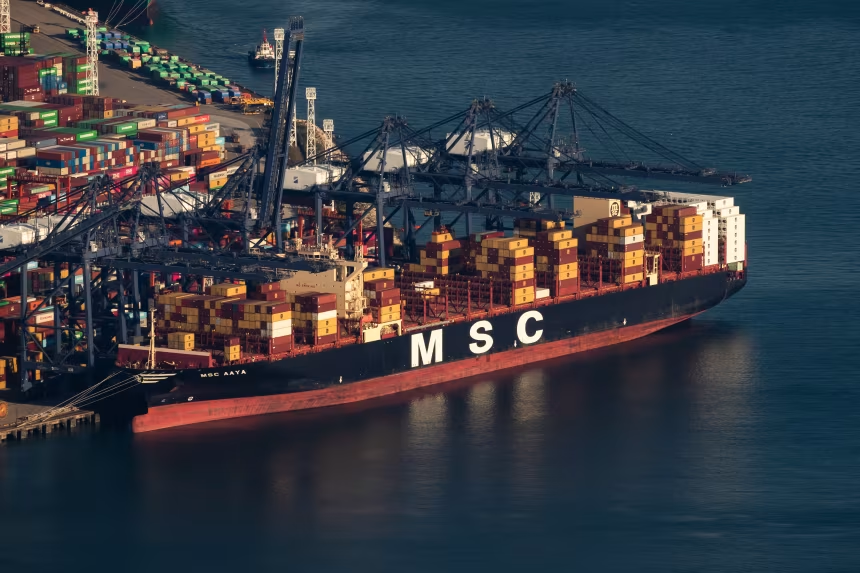
China’s trade surplus reached a record $1.04 trillion in the first 10 months of 2026. It exceeded $1 trillion for the second consecutive year.
This time, China reached that level a month earlier than in 2025, largely thanks to stronger global demand for technology products and major investment in artificial intelligence infrastructure.
Të lidhura
None found
Data from Chinese customs authorities show that exports in October rose 35.2% from the same month a year earlier. That exceeded economists’ forecast of 33.5%, while growth in September had been 36.3%.
Imports also increased, rising 41.6% in October, up from 31% the previous month. That result also exceeded the average forecast of 32% among economists surveyed by Reuters.
Despite the strong foreign trade figures, China’s economy continues to face difficulties at home. Consumers remain cautious about spending, while the prolonged property crisis has eroded household wealth and confidence in the economic outlook.
Weak domestic demand is pushing Chinese carmakers to rely increasingly on overseas markets. Car exports continued to rise in October, while domestic sales fell for the 12th consecutive month.
Meanwhile, the record surplus is raising concerns about imbalances in China’s economy and could strain trade relations with international partners, particularly the European Union.
European leaders are calling for tighter restrictions on Chinese imports. Brussels and Beijing have also reached an agreement to limit exports of Chinese hybrid vehicles to the European market in the coming years.
Because those measures are not yet in force, Chinese manufacturers are expected to accelerate shipments to Europe before they take effect. This could boost exports in the near term.
At the same time, China announced that its trade truce with the United States would be extended by two months. It had been due to expire on November 10.
Beijing has said that increased purchases of U.S. agricultural products depend on implementation of the agreement to reduce tariffs on both sides.
A significant part of the growth in Chinese exports this year stems from worldwide investment in artificial intelligence infrastructure. Demand for technology products is expected to remain high in 2027, but this also increases China’s economic dependence on developments in international markets.






