Forces supporting Yemen’s government and backed by Saudi Arabia have withdrawn from a strategic area near the Bab el-Mandeb Strait. At the same time, Iran says it has used drones against a US military base in Bahrain, raising concerns that tensions could spread across the region.
Pressure from Iran and its allies on the United States and its Persian Gulf partners has intensified as the conflict in the Middle East enters a new period of escalation.
Të lidhura
None found
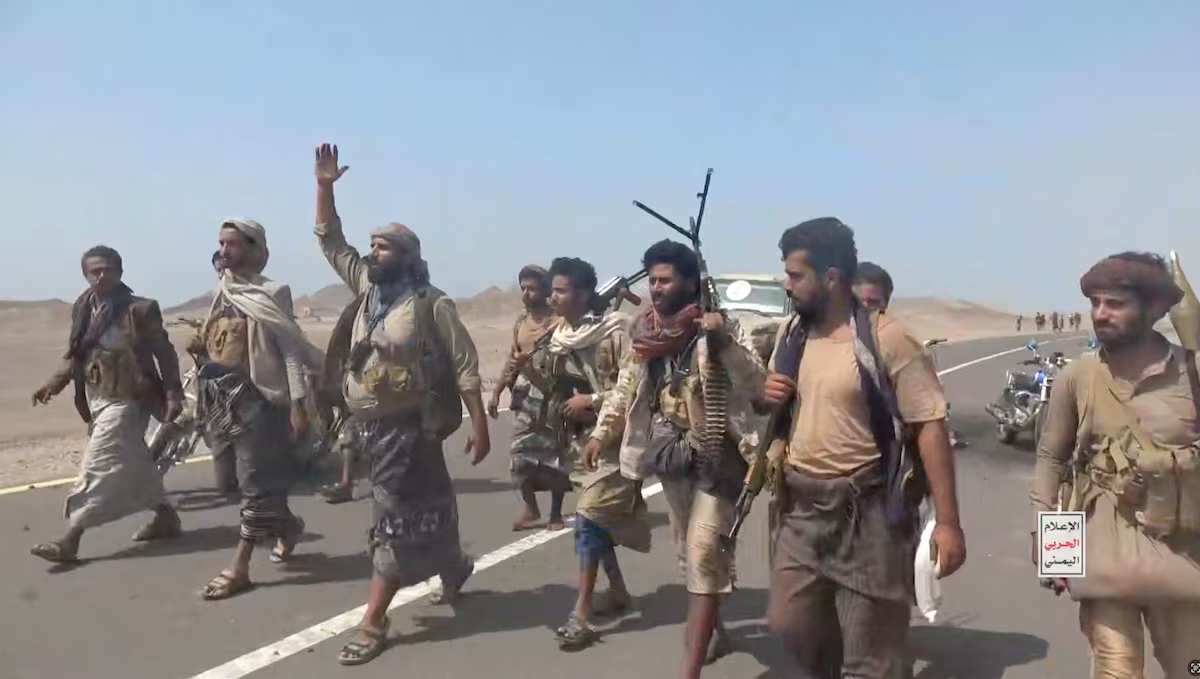
In Yemen, forces backed by Riyadh and fighting alongside the internationally recognized government are moving away from areas near Bab el-Mandeb. According to reports, the troops will focus on strengthening the defenses of Aden, the temporary capital.
Southern forces supporting the government officially announced that they had begun repositioning troops from Dhubab airport and the territories surrounding the strait. They said the move was aimed at protecting Aden and neighboring provinces, as well as strengthening defensive lines against threats.
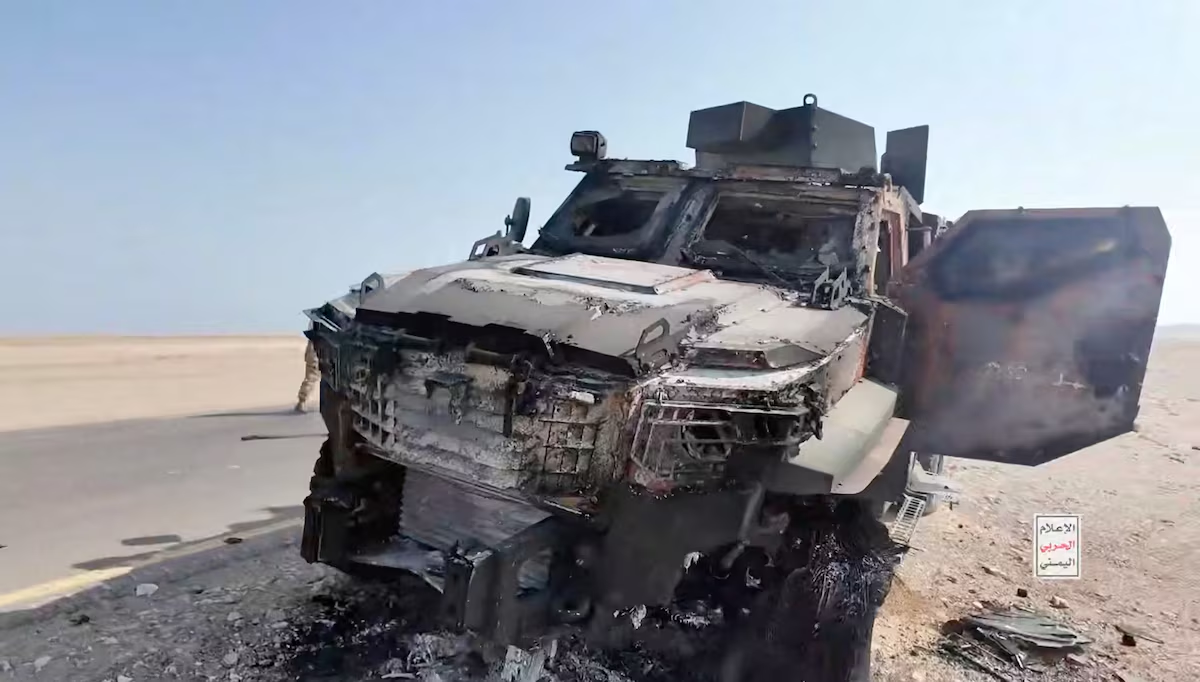
The withdrawal from the area is seen as a setback for the Saudi-backed offensive, which aimed to drive Houthi rebels away from the Red Sea coast. At the same time, the withdrawal could give the Houthis room to advance toward Aden. The city has been the seat of the Yemeni government for more than a decade, ever since the rebels took control of the capital, Sanaa.
The Houthi group has also stepped up missile and drone attacks on Saudi Arabia. It claims to have targeted King Khalid International Airport, a financial center in Riyadh, and two pumping stations along the East-West pipeline.
Developments in Yemen come at a sensitive time for energy markets. With maritime traffic through the Strait of Hormuz disrupted, Saudi Arabia has been transporting around 4 million barrels of oil a day through the East-West pipeline to the port of Yanbu.
This volume accounts for approximately 4% of the world’s oil supply. As attacks on vessels in the Persian Gulf and the Strait of Hormuz continue, market uncertainty is keeping oil prices high.
Tensions have also risen in Bahrain, home to the headquarters of the US Navy’s Fifth Fleet and important US military bases. Tehran has intensified its drone attacks on the country.
Bahraini authorities said they had intercepted and destroyed several Iranian aerial vehicles. According to them, this was the country’s first such air-defense operation since September.
Iran’s Revolutionary Guard said it had launched six drones toward a US military base in Bahrain, presenting the attack as retaliation for actions by Washington that Tehran considers hostile.
Two days earlier, Iran had said it struck a US early-warning radar installation in Bahrain. The US military rejected the claims and announced that it had intercepted two Iranian drones without causing any damage.
During the latest alert, Bahraini authorities urged citizens and residents to remain calm and move to safe locations. Meanwhile, tensions continue in the Strait of Hormuz, a key corridor for global oil shipping.
Iran’s Revolutionary Guard claimed that two oil tankers caught fire on Sunday after hitting sea mines in the strait. Reuters has not independently verified this information.
Attacks on ships have become a daily threat to maritime traffic, heightening concerns about the security of global energy supplies.
Iranian Foreign Minister Abbas Araqchi is expected to travel to Oman on Tuesday, where he will meet his counterpart. Oman has mediated efforts aimed at easing tensions between the parties.
Although direct fighting between the United States and Iran is less intense than during the first phase of the conflict, the lack of diplomatic progress gives little indication that the crisis will be resolved soon.
The withdrawal of government forces in Yemen and the new attacks in Bahrain underscore that the Middle East remains gripped by tensions, with no sign of a lasting solution.